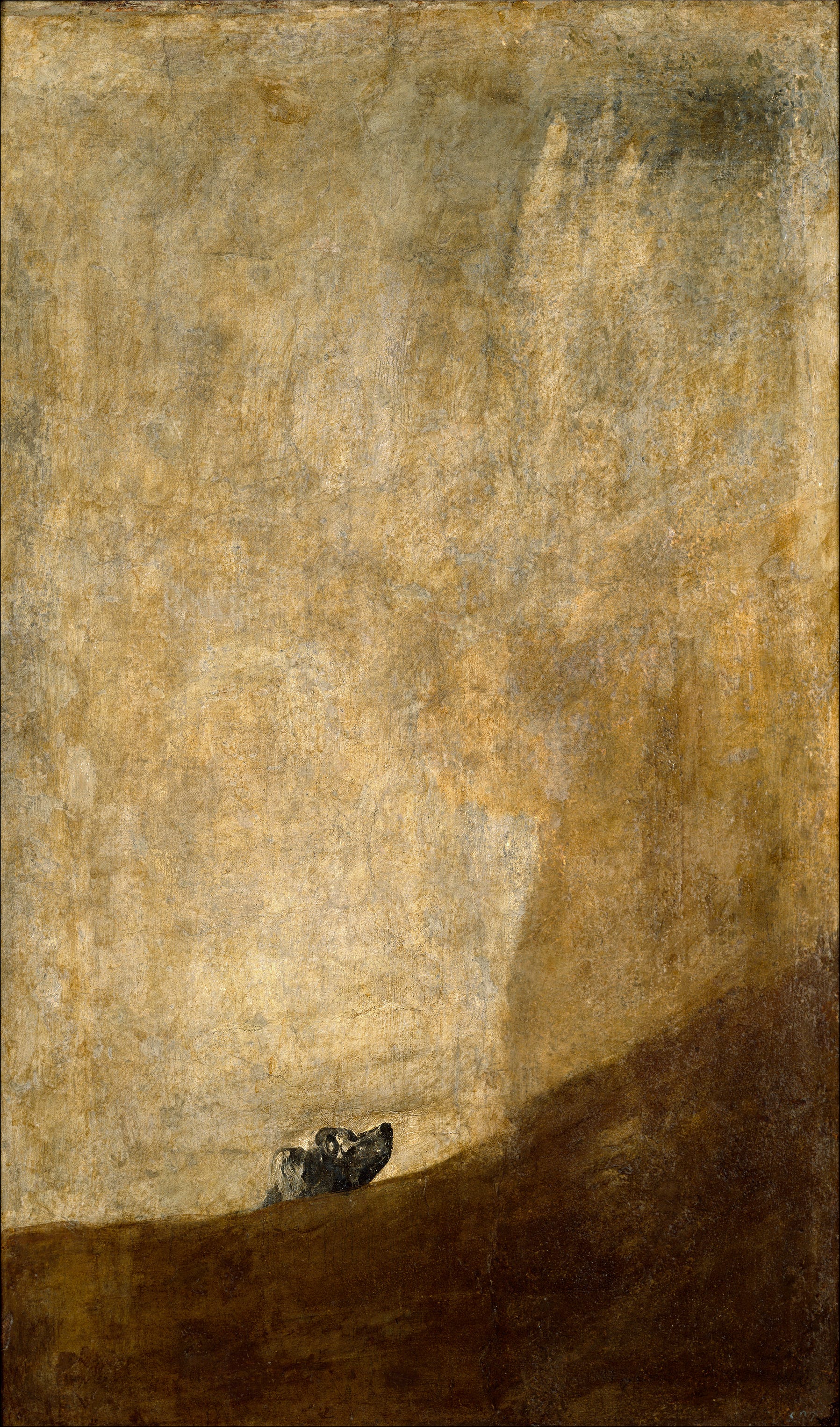
The ground took him harder than it should have.

Clay two feet down, like always. Red and tight, the color of dried blood on gauze. The spade rang off it the way it rang off everything on this land — fence posts, well pipe, the rebar his grandfather sank for the goat pen when Eli was nine and couldn't hold the sledge straight. The land didn't want things put in it. You put them in anyway.

He dug past the clay. Past the rock shelf that ran under most of the east pasture. Into the darker stuff below that smelled like iron and standing water and something the topsoil had been keeping down. The hole took him most of the morning. He stood in it up to his chest. The walls wept where the clay met the rock. His hands were two open blisters by the time the depth was right.

The box was pine. His grandfather had built it himself in the barn last October, measuring and planing while Eli sat on a stool and didn't ask why. He knew why. The old man's color had been going since summer. His breath had a sound in it, a low whistle like a cracked reed, and he rested between the barn and the house now, hand on the fence rail, looking at the tree line the way you look at a clock. He built the box with the patience of a man who understood that the wood would outlast the hands shaping it, and when it was finished he set it on two sawhorses and covered it with a canvas tarp and said nothing about it for three weeks.

Then the instructions.

Eli was at the kitchen table when the old man sat down across from him and spoke in the same voice he used for everything — feeding schedule, the well pump, the county tax envelope that came in March. Ordinary. Like he was telling him where the fuse box was.

"Spade's in the shed. I filed the edge. You dig deep. Past the clay. Pack the dirt hard when I'm in."

"Then the wood. Dry oak. Stack it high."

"First night. The red hen. Wring it. Into the fire."

"Second night. The goat. Use the knife. Throat first. Into the fire."

"Third night. The calf."

He paused there. Just for a second. Looked at Eli's hands on the table.

"I know. I know he's yours. Cut deep anyway. Drag him on."

"Then sit. On the flat stone. Put your spine to the heat. Face the woods."

"Sit till the sun shows. Till it's gray in the trees."

"Eyes front. Always front. The fire is behind you. You keep it there."

Eli waited for the rest. For the reason, the story behind the procedure, the part where the old man explained what the fire held or what lived in the trees or what had happened the last time someone hadn't done it right. His grandfather looked at him the way he looked at the fence posts — checking if they'd hold — and then got up and poured his coffee and the conversation was over.

He died on a Tuesday. Eli found him in the chair by the window, chin on his chest, hands on the armrests like he'd set them there on purpose. The cracked-reed sound was gone. The house was quieter than Eli had ever heard it.

He buried him that afternoon. Packed the dirt hard. Stood over the mound with the spade in his hands and the blisters weeping and the tree line dark against the sky and thought: tonight.

•

The flat stone was two hundred yards from the house, past the goat pen and the chicken coop and the collapsed fence that marked where the old pasture ended and the scrub began. It sat level with the ground, eight feet across, gray and smooth as if the land had worn it down over centuries or something had pressed it flat from above. His grandfather never called it anything. Just "the stone." There wasn't another one like it on the property. There wasn't another one like it anywhere Eli had seen.

He stacked the dry oak on the stone's edge as the sun went down. Good wood — pale and light and it caught fast. By the time the dark had settled into the sweetgums and the post oaks the fire was high and loud and throwing light fifty feet in every direction. The grass beyond the light was black. The tree line was a wall.

The red hen was in the coop. She came off the roost heavy and slow, clucking the low complaint she always made when handled. He'd wrung chickens since he was twelve. He knew the motion — the grip, the rotation, the snap that separated thought from body. It was over in two seconds. The hen swung once and was still and he carried her back to the stone and put her on the fire and the smell was immediate: feathers first, acrid and sharp, then fat, then something sweeter.

He sat on the stone. Put his spine to the heat. Faced the woods.

The fire was enormous behind him. He could feel it on the back of his neck, his shoulders, the base of his skull. The heat pressed into him like a hand. His shadow stretched out long and sharp on the ground ahead, reaching toward the trees, and in the shadow's shape he could see his own head and shoulders and the faint movement of the flames playing across the outline of his body.

The woods were still. Wind in the upper canopy of the post oaks, the sound like water over rock. A dog somewhere east barking at something and then stopping. The sky was clear and the stars were hard and bright and the fire cracked behind him and sent sparks up that he could see reflected in the dark ahead, tiny orange points that flared and went out.

He sat until the sky changed. The gray came into the trees the way the old man said it would — the black thinning, the trunks becoming visible as separate things instead of a single mass. He stood. His back ached where the heat had been pressing all night. The fire was low, a bed of coals with the hen's bones black and split in the center.

He walked back to the house. The porch light was on. He'd left it on. He went inside and slept until noon and the first night was done and nothing had happened.

•

The goat was harder.

He knew it would be. A chicken is a small death, quick and contained, the body light enough to carry in one hand. A goat is a larger contract. The animal knows. The body knows, even without the word for it, and the goat's body began to know the moment Eli led it past the coop and into the scrub toward the stone. It pulled. He pulled harder. The rope burned his blistered palms and the goat made a sound he hadn't heard from it before, a low bleat that was almost a word, and he thought about his grandfather's voice: Use the knife. Throat first.

The knife was sharp. The old man had left it on the kitchen table the day he gave the instructions, laid out next to the whetstone like a place setting. Eli had tested the edge on his thumbnail. It caught and curled a thin white ribbon without pressure.

At the stone he tied the goat to the iron stake his grandfather had driven into the ground years ago — decades, maybe, the rust so deep the metal looked like wood. The fire was already burning. The light pushed out into the dark. The goat's eyes were wide and wet in the firelight. Eli knelt beside it and put his hand on its flank and felt the ribs working fast under the hide.

He cut. Fast, the way the old man would have. The blood came in a rush and the goat kicked once, twice, and the sound it made was worse than the bleat — a gurgle that had air in it, a drowning sound on dry land — and then it was down and the kicking slowed and stopped and the blood soaked into the stone and ran toward the fire and hissed when it got there. He dragged the body onto the flames. The fire dipped under the weight and then climbed. The fat popped and spat. The hide blackened and curled. He turned away and sat on the stone. Put his spine to the heat. Faced the woods.

Something was different.

The first hour was the same — the shadow, the stars, the sound of the fire. But sometime after midnight, when the fire had burned down to the goat's bones and the heat on his back had gone from a press to a warmth to something he had to pay attention to, the woods changed. An absence of sound. The wind in the canopy stopped. The dog that had barked on the first night didn't bark. The insects, which he hadn't noticed until they weren't there, weren't there.

The silence had a quality to it. A pressure. Like the dark had pressed in.

He looked at his shadow on the ground. Shorter now, with the fire lower. The edges were softer. He blinked. Looked again. The shadow's left hand was flat on the ground. His left hand was on his knee. He moved his hand to the ground. The shadow's hand was already there. He lifted it. The shadow's hand stayed.

Then it moved. A beat late. Like a reflection in water that the current delays. He put both hands in his lap and watched his shadow do the same, a half-second behind, and he felt something cold move through his stomach and he thought: don't turn around. Eyes front. The fire is behind you. You keep it there.

He sat. The silence held. His shadow behaved. The fire cracked once, loud, and he flinched and his shadow flinched at the same time and the synchrony was a relief so profound he almost laughed.

The gray came into the trees. He stood. His legs were stiff and his back was tight where the heat had worked into the muscle all night and the stone was dark with blood that the fire hadn't reached. He walked back to the house. The porch light was on. He'd left it on. He went inside.

He did not sleep well.

•

The calf was in the barn.

Eli stood in the doorway and looked at him in the late afternoon light. Seven months old. Brindled brown and white, with a way of pushing his face into Eli's chest when Eli stood close enough. He'd been born in a cold snap in November and Eli had stayed up all night with the mother and when the calf came out wet and steaming in the barn light Eli had cleared his nose and mouth and dried him with a feed sack and the calf had looked up at him and Eli had known.

I know. I know he's yours. Cut deep anyway. Drag him on.

He led the calf out of the barn at dusk. The calf came easy, the way he always did, following Eli's hand on the rope with the mild curiosity he brought to everything — the fence, the water trough, the mockingbirds that landed on the salt lick. They walked past the goat pen, which was quiet now and one short, and past the chicken coop, which was quiet now and one short, and into the scrub toward the stone.

The fire was ready. He'd stacked the oak higher tonight — more wood than the first two nights combined, because the calf was bigger and the fire would need to be enormous to take him and the heat would need to last until dawn. The wood caught. The flames climbed. The calf stood in the light with the rope slack and his ears up and his breath making small clouds in the cold air.

Eli tied him to the iron stake. The calf dropped his head and mouthed at the grass near the stone the way he mouthed at everything, tasting the world with the dumb patience of an animal that doesn't know the world can end.

The knife was in Eli's belt. The handle was warm from his body. He pulled it and the blade caught the firelight and the calf looked at it the way he looked at everything.

Eli knelt beside him. Put his free hand on the calf's neck. Felt the pulse under the hide, fast and shallow, the machinery of a young life running hot. The calf pushed his nose into Eli's armpit. Looking for warmth, or salt, or just the specific smell of the person who had been there since the first minute.

Cut deep anyway.

He put the blade against the calf's throat. The hide dented under the edge. The calf breathed. Eli's hand was steady. He'd done this twice already — the snap, the cut, the drag — and his body knew the motion and his body was ready and the motion was right there in his wrist and his shoulder and all he had to do was pull.

He didn't pull.

He tried. He told his hand to close, told his wrist to draw, and his hand heard him and his wrist did not. The grip held. The angle held. But the pull wouldn't come. Like a rusted hinge — the body locking where the body had always moved. He tried again. His arm tightened and stopped. Tightened and stopped. The hand wouldn't finish what the hand had started.

He thought about I know he's yours and the pause that came before it — the only pause in the entire set of instructions — and he understood that the pause was the old man making room for what the words would cost.

He took the knife away from the calf's throat. Set it on the stone. The blade rang once against the rock and was still.

His hands knew how. His hands were ready. The calf was his. The calf trusted him.

He sat on the stone. Put his spine to the heat. Faced the woods. The calf settled beside him, warm against his leg. Eli put his hand on the animal's back and felt the ribs rise and fall. The fire burned behind them. The dark was in front. The night was just beginning.

•

The first hour was quiet. The fire was high and the heat was a wall against his back and his shadow was long and sharp and the calf was a warm weight against his thigh. He could see the porch light, small and yellow, two hundred yards back across the scrub. The house looked like a house. The night looked like a night.

The second hour, the fire began to drop. The heat on his back softened, just slightly, the way a hand eases off a shoulder. His shadow shortened by a foot. The edge where the light met the dark moved closer. He felt it in his stomach. A contraction. The dark was a wall. The wall had moved.

The third hour, the silence came. The same silence as the second night. This time it had weight. He could feel it on his face, on his chest, pressing against the firelight the way water presses against a dam. The dark was full. The dark was owed.

The calf felt it too. The ribs under Eli's hand quickened. The big ears turned forward, toward the tree line, and the calf's head came up and the mouthing stopped and the animal went still — locked, every nerve open, listening for the thing that the body knows is there before the ears confirm it.

"Easy," Eli said. His voice sounded wrong in the silence. Too small. The word fell out of him and died on the ground between his feet.

The fire dropped again. His shadow was three feet shorter than it had been. The calf's shadow was beside it, smaller, the ears visible as two points. Both shadows ended where the grass was still lit. Beyond that, the dark. And in the dark —

He couldn't see it. He couldn't see anything. The dark at the tree line had a texture now that the dark closer to him didn't have. A density. As if something was standing in the air and the air was standing around it the way water stands around a stone in a creek — flowing, adjusting, accommodating a shape.

The calf made a sound. A low sound from the chest. Almost subsonic. Eli felt it more than he heard it, a vibration in the animal's ribs that traveled through his palm and into his own chest and sat there like a second heartbeat.

The fire dropped. His shadow shrank. The dark moved closer and the shape in the dark moved with it, closer each time the light gave ground.

Eli looked down at his hands. The knife was on the stone where he'd set it. The blade was still bright. The calf was still alive and the fire was still burning and the instructions were still in his head — cut deep, drag him on — and he could still do it. He could pick up the knife and open the calf's throat and drag the body onto the coals and feed the fire what it needed and sit with his spine to the heat and face the woods and survive until the gray showed in the trees. He could still do it.

The calf pushed his nose into Eli's side. The way he always did.

The fire dropped.

Eli didn't pick up the knife.

At four in the morning the last of the oak collapsed into embers. The heat on his back went from warmth to memory. His shadow faded on the ground until it was indistinguishable from the dark around it and then there was no shadow at all. Just dark, everywhere, all of it the same. The stone was cold under him. The calf was warm against him. The silence was so heavy he could feel it on his skin like cloth.

The calf stood up.

Eli reached for the rope. Missed. Reached again and his hand closed on air and the calf was already moving. He walked the way he always walked — the same easy gait, the same mild swing of the head. Except the head didn't swing. The legs moved and the hooves fell in the right rhythm and the body was the calf's body. The gait was the calf's gait. The idiot sweetness that made him mouth at everything, taste the fence post, push his nose into Eli's chest — gone. The calf walked toward the tree line and there was nothing in his step that was looking for anything. He was past looking. He was going.

"Hey," Eli said. "Hey. Come back."

The calf walked into the dark. The sound of his hooves on the grass was steady, unhurried, and then it was the sound of his hooves on the scrub, and then it was the sound of his hooves on the leaf litter at the tree line, and then — one last thing. A sound like a breath drawn inward. The trees took it, or made it, and then the silence closed behind the calf like water closing over a hand and there was nothing.

Eli sat on the cold stone and faced the woods and waited for the gray to come into the trees. It was a long time coming. Longer than the first two nights. Long enough that he began to wonder if it was coming at all, if the dawn was something the fire had earned and without the fire there was no earning, just the dark, and him inside it, and whatever was in the trees now full in a way it hadn't been before.

The gray came. In the trunks first, the black thinning, the post oaks becoming separate, the sky behind them changing. He could see where the calf had walked in. The grass was pressed down in a narrow path that led from the stone to the trees and disappeared into the brush.

He stood. His legs barely worked. He walked back to the house on feet he couldn't feel. The porch light was on. He went inside.

The house was quiet. The old quiet — after the cracked-reed breathing stopped — had been an absence. This quiet had something in it. Something that had come in through the door he'd left unlocked or the window he'd left cracked or some opening he couldn't name, something that was in the walls now, in the structure. The house was holding something it hadn't been holding yesterday.

He sat in his grandfather's chair. Put his hands on the armrests. Looked out the window at the tree line, which was green now with the sun coming in, ordinary, quiet, the way it always looked in the morning. A mockingbird landed on the fence post by the goat pen. The rooster crowed, late, confused by the season or the hour or something else.

Eli looked at the tree line the way his grandfather used to look at it. The way a man checks a fence line. Checks a levee. Watches for the day it gives.

He sat for an hour. Maybe longer. The sun moved across the floor the way it always did and the house settled the way it always did and the sounds were the sounds of a house in the morning — the tick of the roof expanding, the pipes, the loose shutter on the east side tapping when the wind came through. His hands were on the armrests and his eyes were on the trees and the quiet was in the walls and he was almost still.

Then he heard it.

Faint. From outside. From the east, past the goat pen, past the coop, out past the scrub where the ground was still mounded and the spade still leaned against the fence post where he'd left it.

A low whistle. Thin. Broken in the middle. The sound a cracked reed makes when air is forced through it.

His hands tightened on the armrests.

It came again. Rhythmic. The same interval. The same timbre. The exact sound that had lived in this house all summer while his grandfather's lungs filled with whatever was filling them, the sound Eli had fallen asleep to and woken to and eaten breakfast to until it became part of the house itself, part of the structure, as ordinary as the pipes and the shutter and the tick of the roof. He knew that sound the way he knew his own breathing. He had listened to it for months.

The old man's part was finished.

The old man's part was not finished.

The sound came from the ground. From the dark stuff below the clay and the rock shelf, from the pine box he had lowered in and packed the dirt hard over. It came through two feet of clay and six feet of earth and it reached him here, in the chair, by the window, faint and steady and unmistakable. The breathing that had stopped on Tuesday and was supposed to stay stopped.

The old man had kept the contract. Every year. Whatever it asked, he gave it. And in return he got to die in his chair with his hands on the armrests and his chin on his chest and the quiet that came after. A clean death. A composed death. The dignity of being finished.

Eli sat in the chair. Hands on the armrests. Eyes on the trees. The sun was in the windows. The mockingbird came back to the fence post. Everything was ordinary except the sound. The breathing continued — in, out, in, out — the whistle catching on the crack the same way it always had, the same way it had when the old man was alive and sitting in this chair and watching these trees. It was steady and rhythmic and it would be there tomorrow and the day after and the day after that, and Eli would hear it from the chair, from the porch, from the barn, from the bed where he would lie at night and listen to it come through the floor and the foundation and the ground beneath, the sound of his grandfather's lungs working again in the dark because Eli's hands had refused what his hands were supposed to do.

He sat in the chair and listened to his grandfather breathe.